

In the past five months, we as healthcare professionals have all learned a lot about the human spirit's strength and have been humbled by our ability as an industry to persevere during this crisis. We have also come to realize that COVID-19 is here to stay. This devastating virus is not merely a passing health anomaly that we are working to overcome, but instead a permanent change to which we must adapt.
Author: Stephanie Dorwart
Celebrating Success
In these trying and unstable times, one thing has been evident; people have the innate ability to rise to a challenge with #positivity and professionalism. More than ever, it is critical that #healthcare leaders recognize the contributions and sacrifices their staff are making to ensure the health of the communities they live in and the prosperity of the organizations they serve. The ALTIUS team focuses on educating and elevating our clients, encouraging them to support each other by celebrating their #successes.

How do you determine the “right” productivity target?
At ATLIUS, we stress the importance of having the right person, in the right place, performing the right task, for the right clinical outcome. This approach is then ultimately supported by having the right productivity target in place. The question is, how do you determine each departmental target so that it results in the highest level of efficiency and the best overall outcomes? While there are various ways to establish productivity targets, we have seen the strongest performers follow our primary approach to target setting: varying targets by department.

Decreasing Premium Dollars
Did you know that the premium dollars scattered across your hospital are often excluded from any labor spend analyses? Did you know that these dollars can drive up an organization’s Compensation Ratio and lead to staff turnover? High-cost labor dollars can range from incremental overtime to interim leadership. Watch now as ALTIUS’ CEO, Stephanie Dorwart, and COO, RandiLynn Lukac discuss strategies for decreasing premium dollars and provide recommendations for improvement. .

Management Scare Tactics that Backfire
Many healthcare leaders adopt a "tough love" approach when managing employee performance and expectations. This method may work well for some staff members, but not all will embrace the negativity it can create. Understanding your team and the styles they respond positively to is critical in realizing continued operational success and employee satisfaction.

Keepin’ It Productive
We are all familiar with the term “death by meeting.” It refers to the seemingly endless cycle of leaders having meetings to prepare for other meetings during which strategies are discussed that require more meetings to implement! It’s exhausting to say, let alone live. Instead of having a positive impact on operations, it has quite the opposite effect.
The Importance of Proper Position Control
According to a recent article, the turnover rate in the healthcare industry has increased by 5% across all job categories over the last decade. With the impacts of the COVID-19 pandemic on the operations of hospitals and health systems, it is safe to assume that these rates will continue to rise. Considering how time-consuming and costly recruitment efforts can be, especially given the ever-shrinking candidate pool that presently exists, it is critical that healthcare leaders appropriately manage the employees that they do have.

What does ‘Best Practice’ Mean in Healthcare?
What does "Best Practice" mean in the healthcare environment? Just as in any other field, "Best Practice" is the commitment to using all the knowledge, processes, data, and technology at one's disposal to ensure success. However, let's take that one step further and note that this success must be realized in the most efficient manner possible to make a difference to your organization's bottom line. Controlling costs through the proper utilization of resources and minimization of waste are ways that hospitals and health systems are achieving "Best Practice" status.
Embracing Accountability
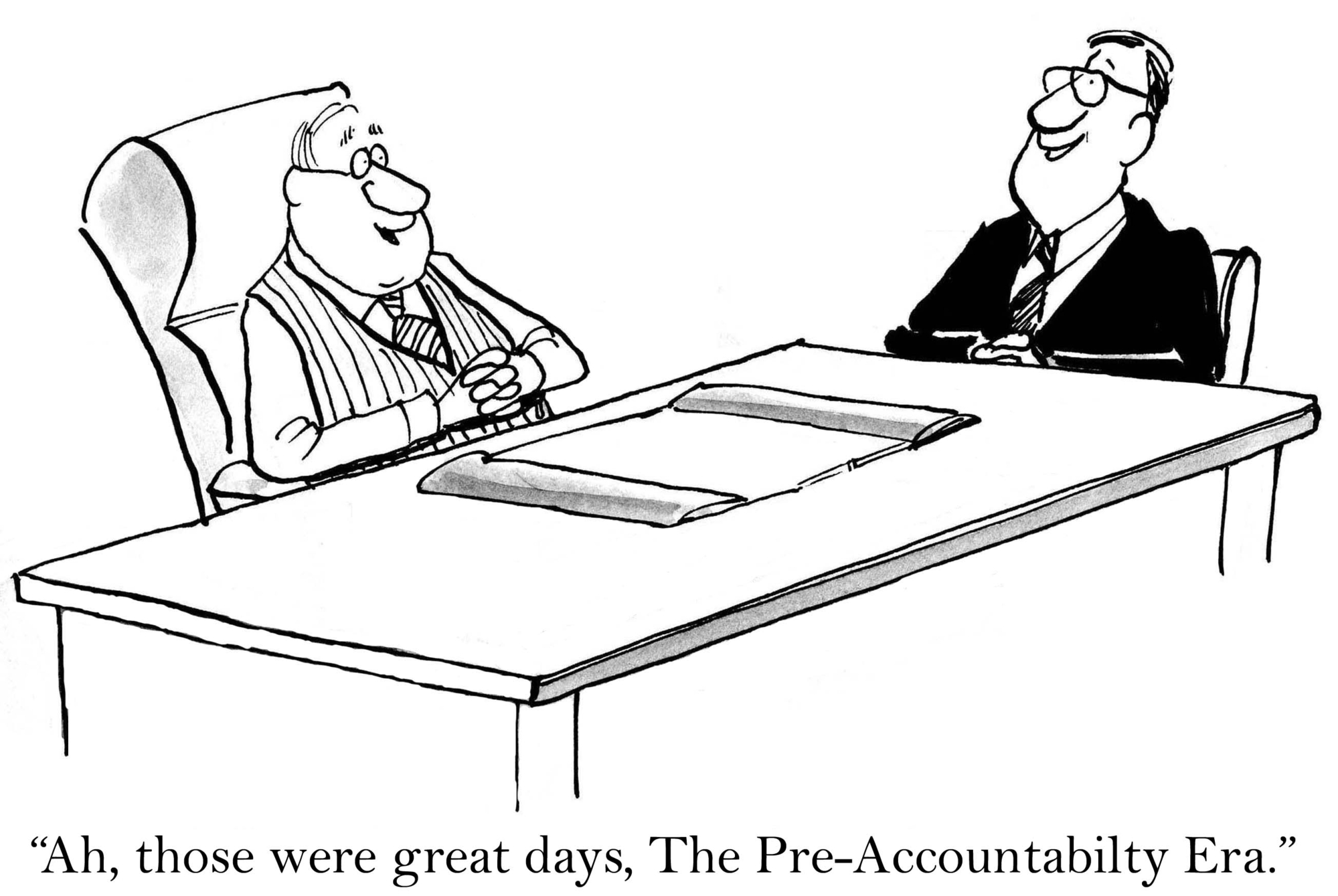
When the ALTIUS team has an initial conversation regarding performance improvement with a hospital’s senior leaders, they are often unsure of what led to their current financial challenges. The reality is that it is never one decision, one hire, or one situation that deteriorates an organization’s bottom line. It can be the choices made day-to-day within the silos of the organizational structure, delaying difficult decisions, and/or a lack of accountability that leads to the overall decline.

The Financial Impacts of COVID-19
The financial impacts of COVID-19 are unprecedented, crippling the operations of most healthcare organizations and leaving leaders to answer serious questions about strategies for stabilization. One of the quickest, most effective solutions is through workforce optimization. Improving performance by enhancing productivity and implementing processes to control labor costs will help hospitals and health systems to rebound in a systematic way that not only meets patient demand but ensures the right resources are in place to provide the best care.